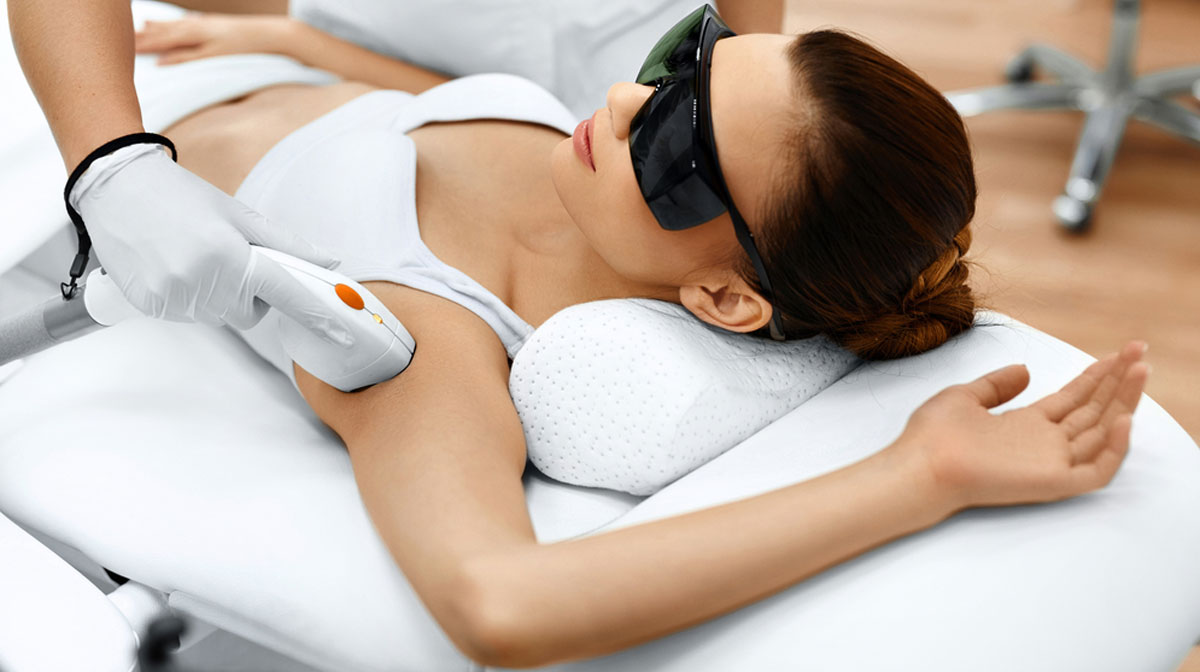
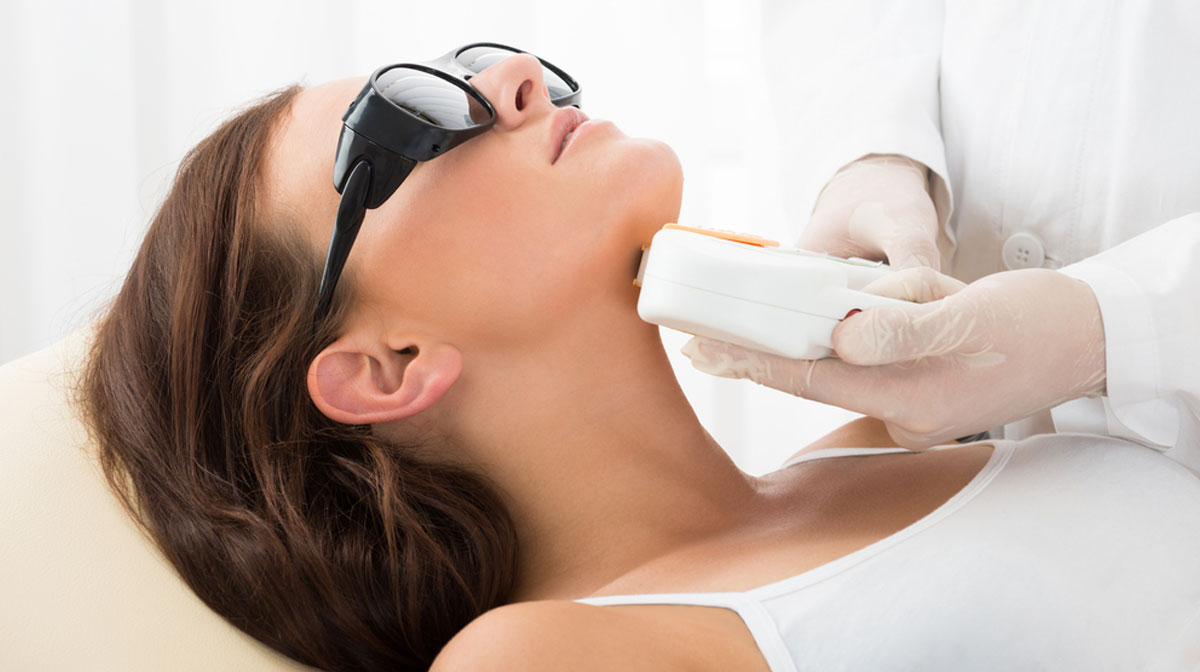
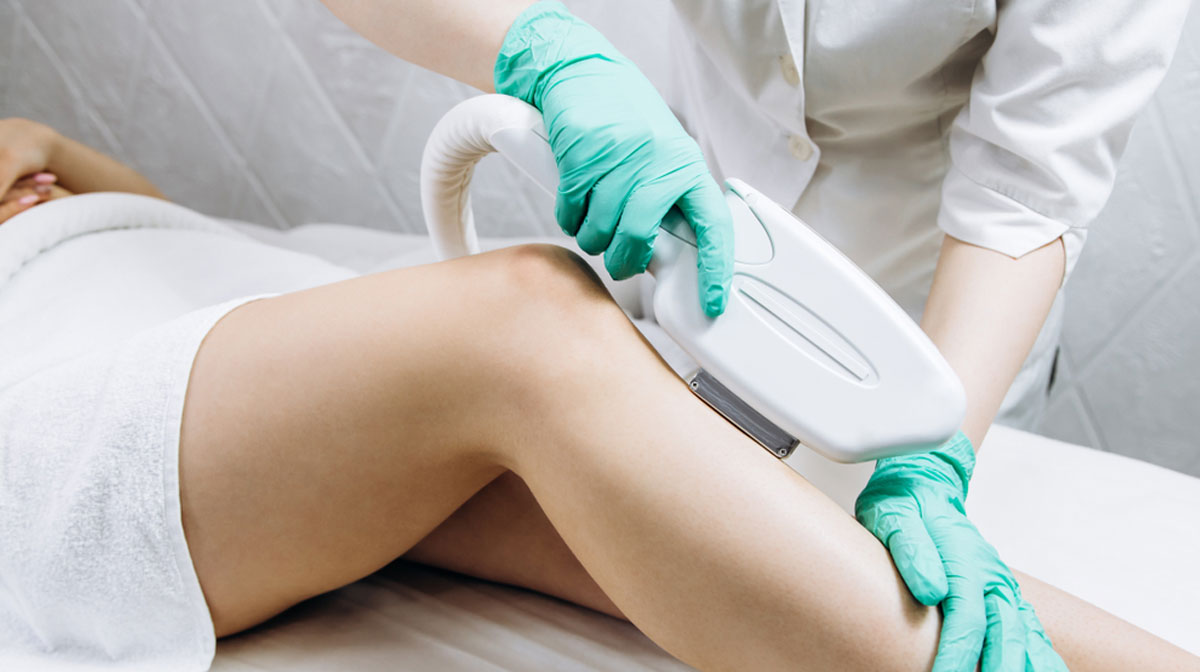
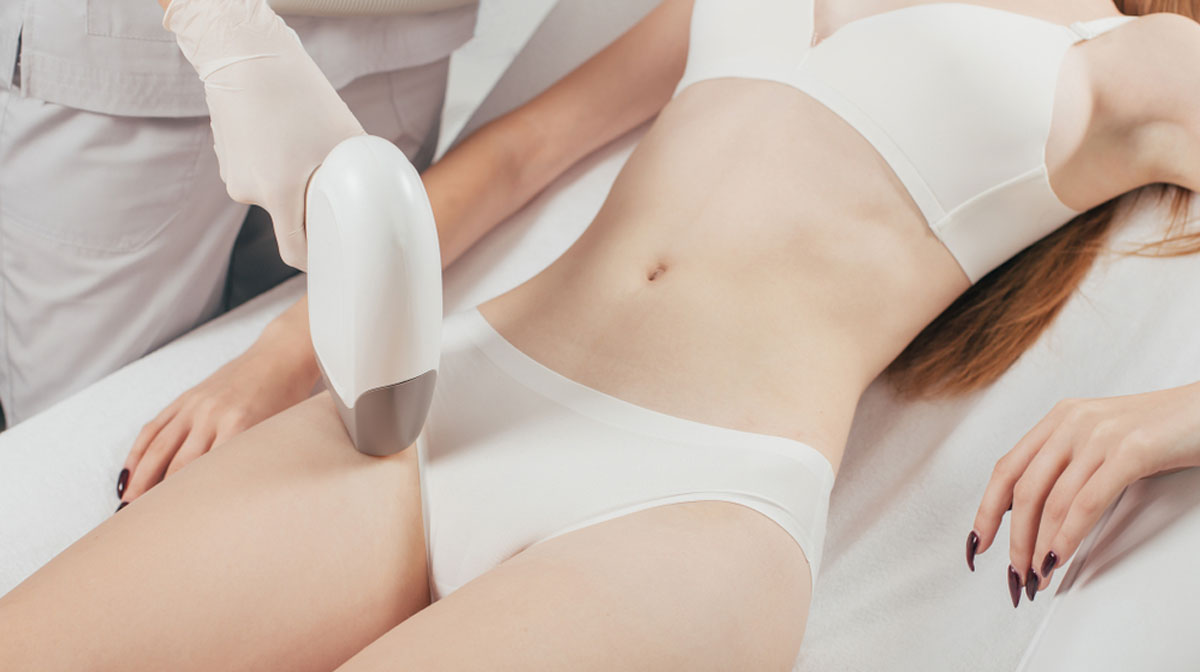
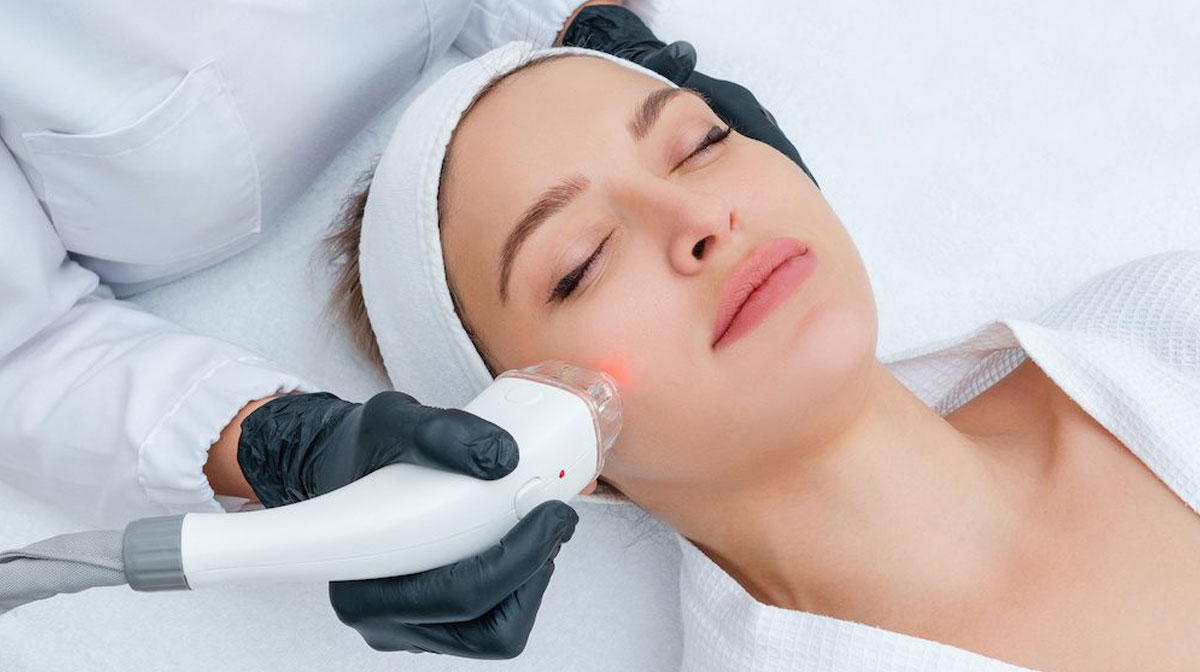
Mumbai Cosmetic Centre provides full-face laser hair reduction packages in Malad, Mumbai, with agreed boundaries for the cheeks, jawline and sidelocks.
OPEN 12PM–7PM, EVERYDAY · PRIOR APPOINTMENT ONLY · 📍 MALAD WEST, MUMBAI — GET DIRECTIONS
This page targets combined full-face packages covering areas such as the cheeks, jawline and sidelocks. The exact treatment boundary should be agreed during consultation after assessing skin tone, hair colour, hair thickness and medical history.
For isolated coarse or hormone-sensitive growth below the mouth, see the separate guide to chin laser hair removal for PCOS-related or coarse hair.
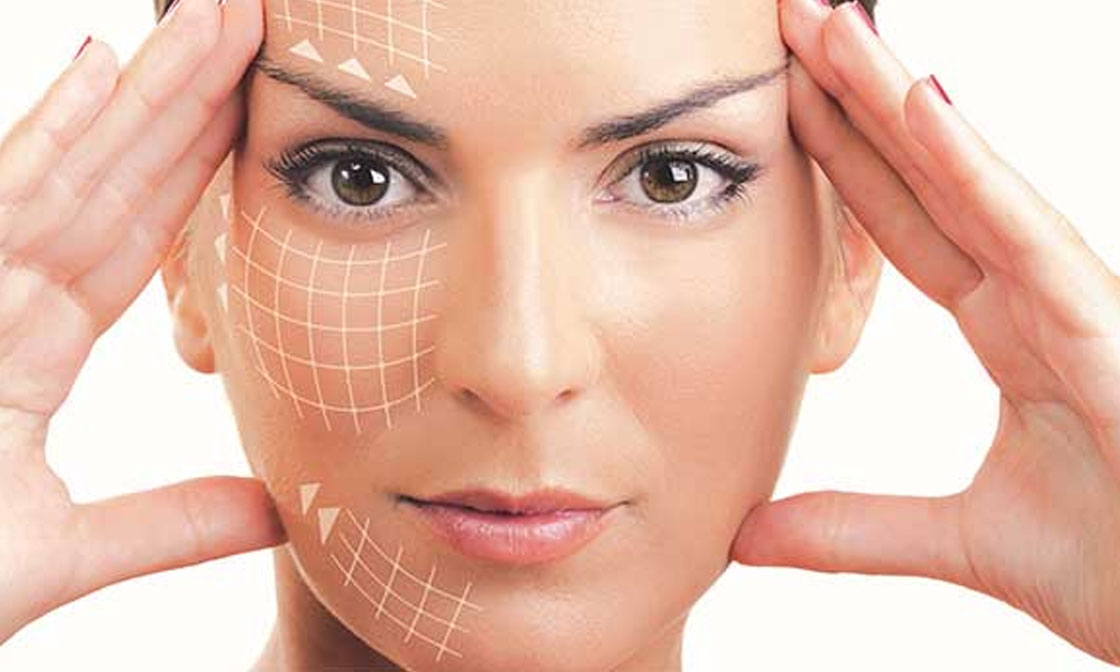
Defined package areas: A full-face plan can set clear boundaries for the cheeks, jawline and sidelocks instead of treating one isolated patch.
Long-lasting Results: Multiple sessions can produce long-term reduction, although fine regrowth and maintenance sessions may occur.
Time-saving: When compared to traditional hair reduction methods like shaving or waxing, laser treatment saves time in the long run as it reduces the need for frequent maintenance.
Reduced Ingrown Hairs: Laser hair reduction can help prevent ingrown hairs.
Improved Skin Texture: Constant shaving or waxing can irritate the skin, whereas laser hair reduction promotes smoother skin over time.
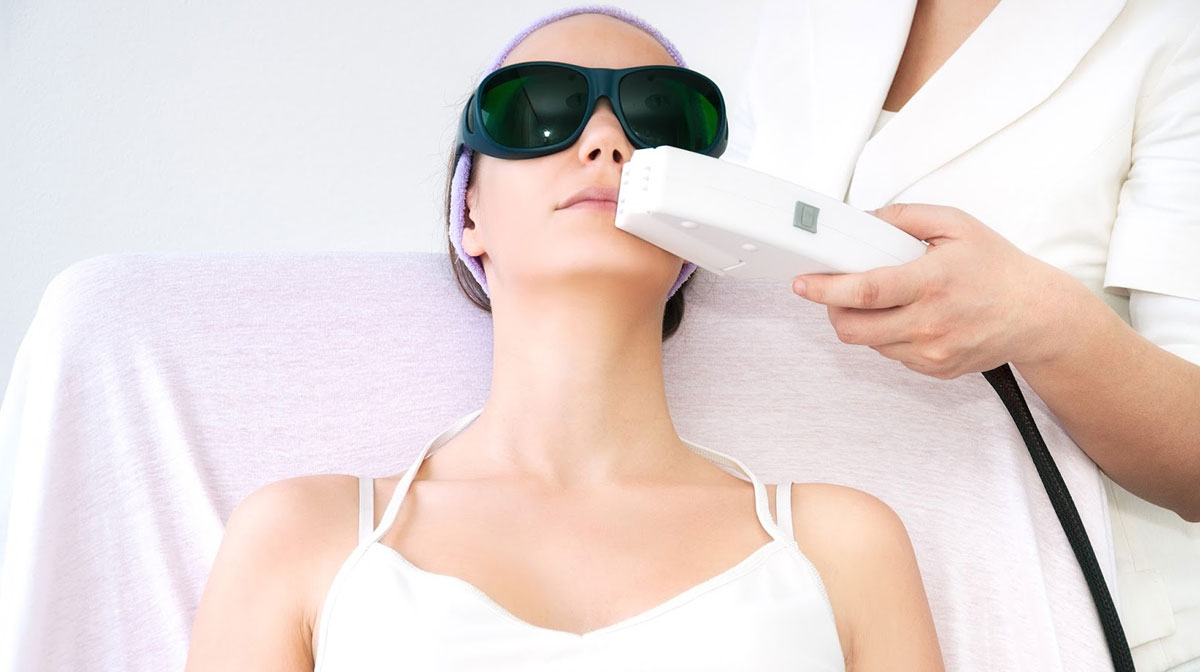
A full-face package should document which parts of the cheeks, jawline and sidelocks are included. Areas close to the eyes need careful selection and appropriate eye protection, while very fine or light hair may not be a good laser target.
The consultation should also distinguish a combined full-face package from a single-area service. Coarse, hormone-sensitive chin growth is assessed on the separate chin treatment page.
Content updated: June 19, 2026. This guide is educational; suitability, settings and session timing require an in-person consultation.
Laser hair removal uses controlled light energy to target pigment in the hair follicle. Because hair grows in cycles, treatment is planned as a course rather than a one-time procedure. The goal is reduction of unwanted facial hair while limiting repeated shaving, threading or waxing, not a guarantee that every hair will disappear permanently.
These are indicative one-session competitor benchmarks, not Mumbai Cosmetic Centre's quotation. Published ranges were converted to their midpoint and averaged. Limited-time offers, trial prices and package-only totals were excluded.
| Treatment area | Average competitor price | Published range reviewed |
|---|---|---|
| Full face | Approx. Rs. 6,300 per session | Rs. 3,375 - Rs. 9,200 per session (4 comparable listings) |
Your final clinic price may differ based on exact coverage, hair density, skin and hair assessment, technology, practitioner, session count, taxes and package terms. Contact Mumbai Cosmetic Centre for its current quotation.
| Typical treatment course | Usually a multi-session plan; fine facial regrowth may require maintenance |
|---|---|
| Approximate session time | About 10-30 minutes depending on the agreed cheeks, sidelocks, jawline and full-face boundary |
| Expected downtime | Usually minimal, although temporary redness, warmth or follicle swelling can occur. |
| Results | Hair commonly returns finer and less dense; maintenance may be needed, especially with hormonal hair growth. |
A consultation should review skin tone, recent tanning, hair colour and thickness, active irritation or infection, medicines that increase light sensitivity, previous reactions, and your treatment goals. A test patch may be advised before treating a larger or sensitive area.
Avoid waxing, threading, plucking and electrolysis before the course because the follicle needs to be present for treatment. Avoid tanning and sunless tanning products, use broad-spectrum SPF 30+ on exposed areas, and shave only as instructed by the clinic. After treatment, use gentle skincare, avoid picking or harsh exfoliation, and follow the clinic's guidance about sun, heat, exercise and the next session.
Mild redness or swelling can be temporary. Contact the clinic promptly if you develop blistering, increasing pain, marked swelling, crusting, or an unexpected change in skin colour.
A full-face package can define combined areas such as the cheeks, jawline and sidelocks. The exact boundary should be agreed before treatment.
Coarse darker hair often responds better than very fine, light, red, white or grey hair. Suitability is assessed during consultation.
Results are better described as long-term hair reduction. Fine regrowth and maintenance sessions are possible.
Patient guidance reviewed from the American Academy of Dermatology, Mayo Clinic, and the FDA definition of long-term permanent hair reduction.
Consult our experienced medical doctors at Mumbai Cosmetic Centre, Malad West.

MBBS, MS, DNB
Introducing Dr. Shruti Shah, A Leading Cosmetic Gynaecologist having experties in all kinds of gynecological and obstetrics cases. She has overall 18 Years Experience in women's health.
She completed her MBBS from TN Medical College Nair Hospital & MS in Obstetrics and Gynaecology from JJ Hospital, Mumbai University. She further completed her DNB degree from New Delhi.

MBBS, MD
Introducing Dr. Chetan Shah, A Leading Anesthesiologist specializes in anesthesia and patient care before, during, and after surgery. He has over 15 years of experience in Anesthesiology
He has completed MBBS at TN Medical College, Mumbai University & MD in Anesthesiology at the prestigious GS Medical College and KEM Hospital, Mumbai.
While advancements in laser technology have made the treatment safer for various skin tones, individuals with darker skin may still face a higher risk of pigment changes.
On average, most individuals require 6 to 8 sessions in several weeks apart to achieve optimal hair reduction.
The sensation is often described as brief warmth or a snapping feeling. Cooling may be used where appropriate to improve comfort.
While rare, potential risks include burns, blistering, or pigment changes. These risks can be reduced by following pre- and post-treatment guidelines carefully.
While laser hair reduction lead to long-lasting hair reduction, maintenance sessions may be needed periodically to target any new hair growth that may occur over time.
Speak to our doctor-led team at Mumbai Cosmetic Centre, Malad West. Book your personalized consultation today.
Chat With Our Team on WhatsApp +91 74001 88399Discover personalised dermatology, laser, and aesthetic care delivered by our doctor-led team in Malad West.
Specialised, doctor-supervised laser hair reduction sessions for men and women at Mumbai Cosmetic Centre.