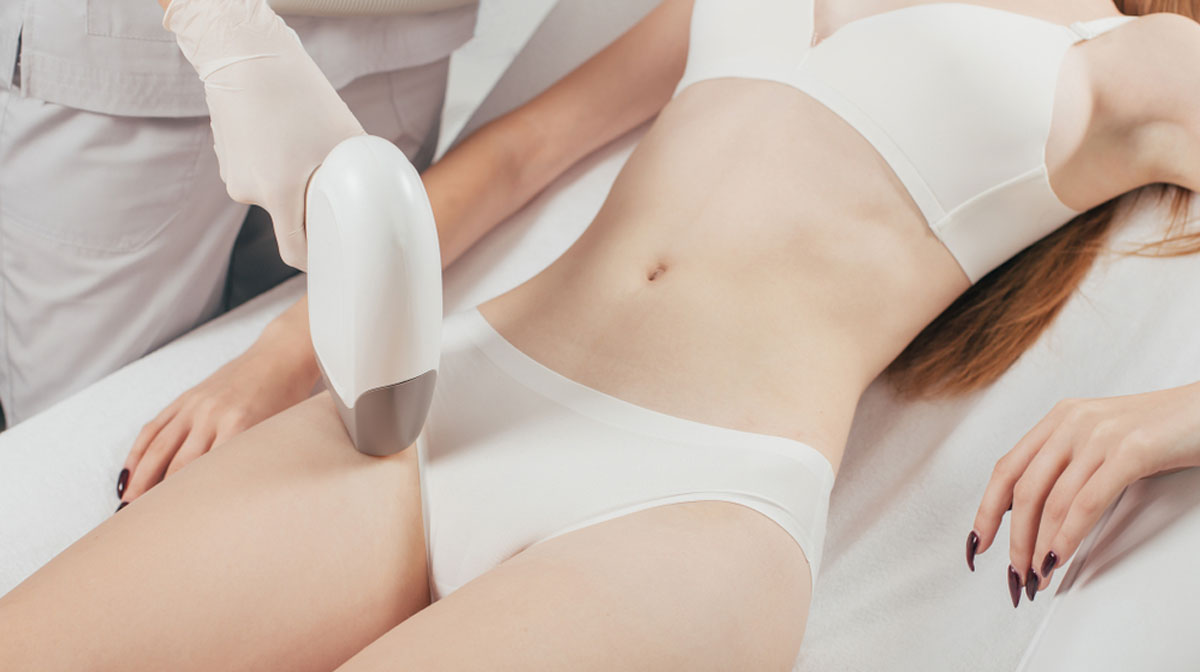
Mumbai Cosmetic Centre provides laser treatments for unwanted hair removal in the bikini area, ensuring smooth, hair-free skin with lasting results in Malad Mumbai.
OPEN 12PM–7PM, EVERYDAY · PRIOR APPOINTMENT ONLY · 📍 MALAD WEST, MUMBAI — GET DIRECTIONS
Bikini hair removal laser treatment is a cosmetic procedure designed to reduce or remove unwanted hair around the bikini line using laser light. Laser treatment targets the hair follicles to inhibit future hair growth. The treatment is most effective on dark and thick hair.
Long-lasting results with reduced hair growth over time.
Decreased ingrown hairs and smoother skin texture.
Time-saving compared to regular maintenance with other methods.
Improved skin quality and reduced irritation.
Cost-effective in the long term, saving money on frequent treatments.
An ingrown hair develops when a cut or removed hair curves back into the skin instead of growing outward. It may cause a small raised bump, itching, tenderness or darker marks. The bikini line can be susceptible when shaving, waxing, coarse or curly hair, sweat, friction and tight clothing repeatedly irritate the follicle.
Folliculitis means inflammation around a hair follicle. It can look like clusters of red, itchy or tender spots, sometimes with a white or pus-filled centre. Irritation, sweat, friction and hair-removal methods can contribute, but some cases involve bacterial, fungal or other infection and should not be self-diagnosed from appearance alone.
Only the agreed external bikini area should be assessed and treated. Painful recurrent groin lumps, drainage, tunnels or scarring need medical assessment rather than being assumed to be simple ingrown hairs.
By progressively reducing suitable coarse hair, laser treatment may reduce repeated shaving or waxing and lower the chance of future hair growing back into the skin. It does not instantly clear an existing bump, replace treatment for folliculitis or guarantee that every future ingrown hair will stop.
Tell the clinician before the appointment if the area has painful or pus-filled bumps, open skin, drainage, increasing warmth, spreading redness or a suspected infection. The area must be assessed before laser treatment, and the session may need to be postponed until the infection or significant inflammation has been treated and the skin is suitable.
Seek timely medical advice for rapidly increasing pain or redness, fever, chills, feeling unwell, a deep painful lump, recurrent boils or symptoms that are widespread or do not settle. Do not squeeze, pick or attempt to drain a lesion before a laser appointment.
General guidance reviewed from the American Academy of Dermatology folliculitis overview, the Mayo Clinic folliculitis guidance, and the Cleveland Clinic review of ingrown hair.
Content updated: June 19, 2026. This guide is educational; suitability, settings and session timing require an in-person consultation.
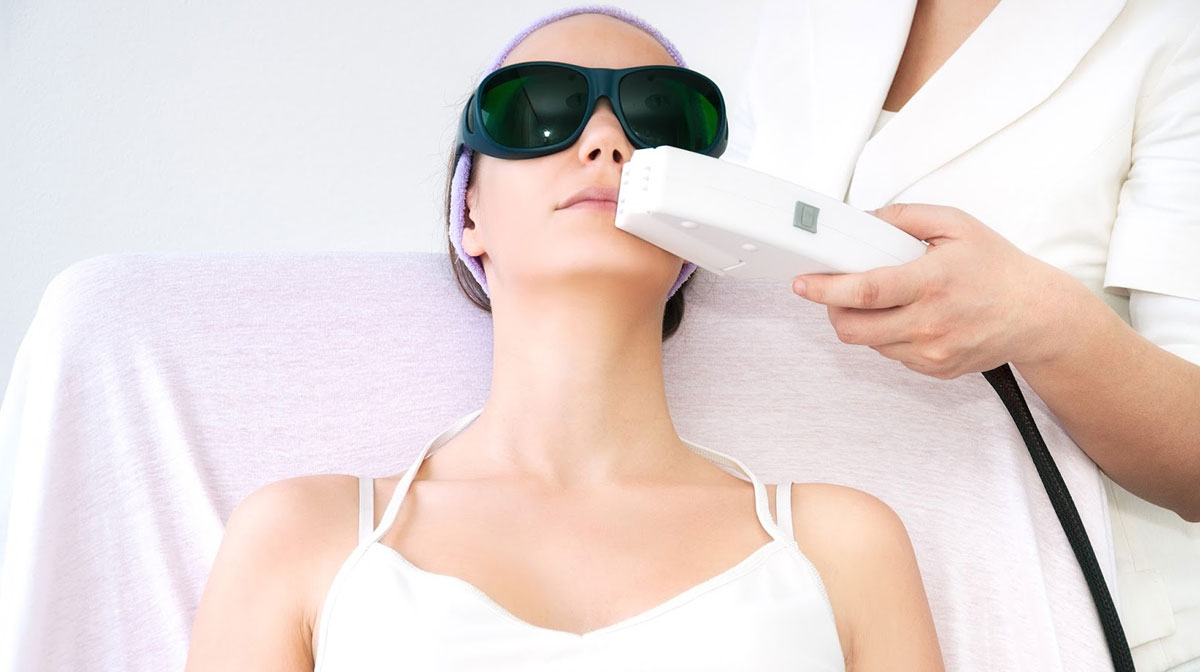
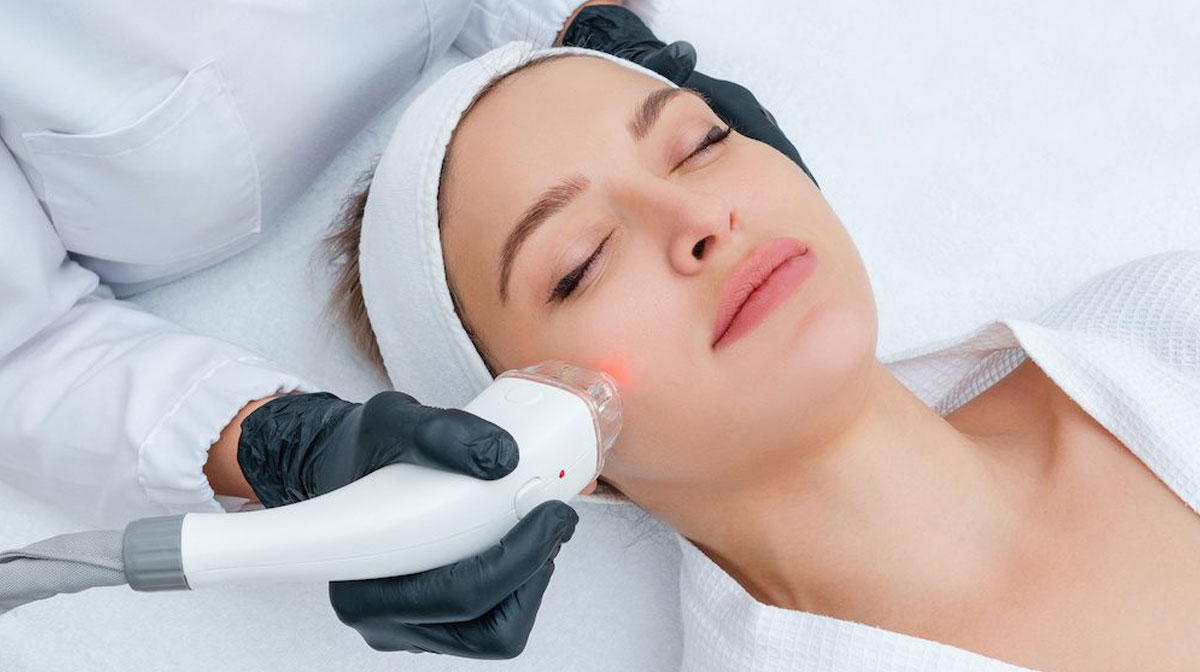
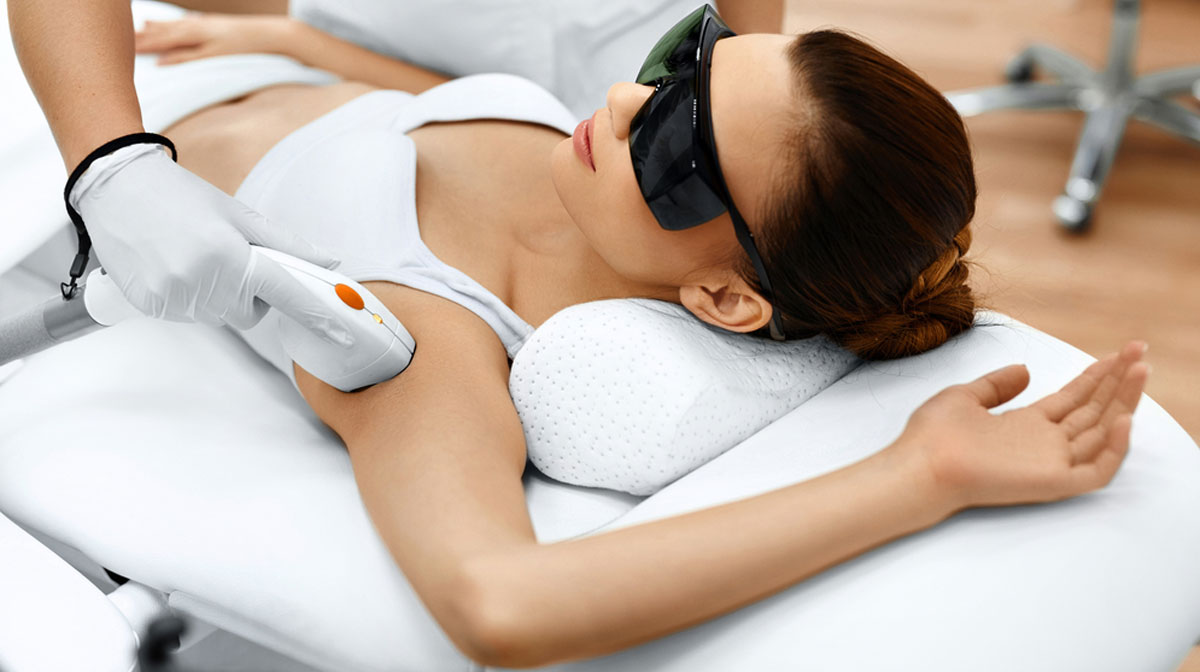
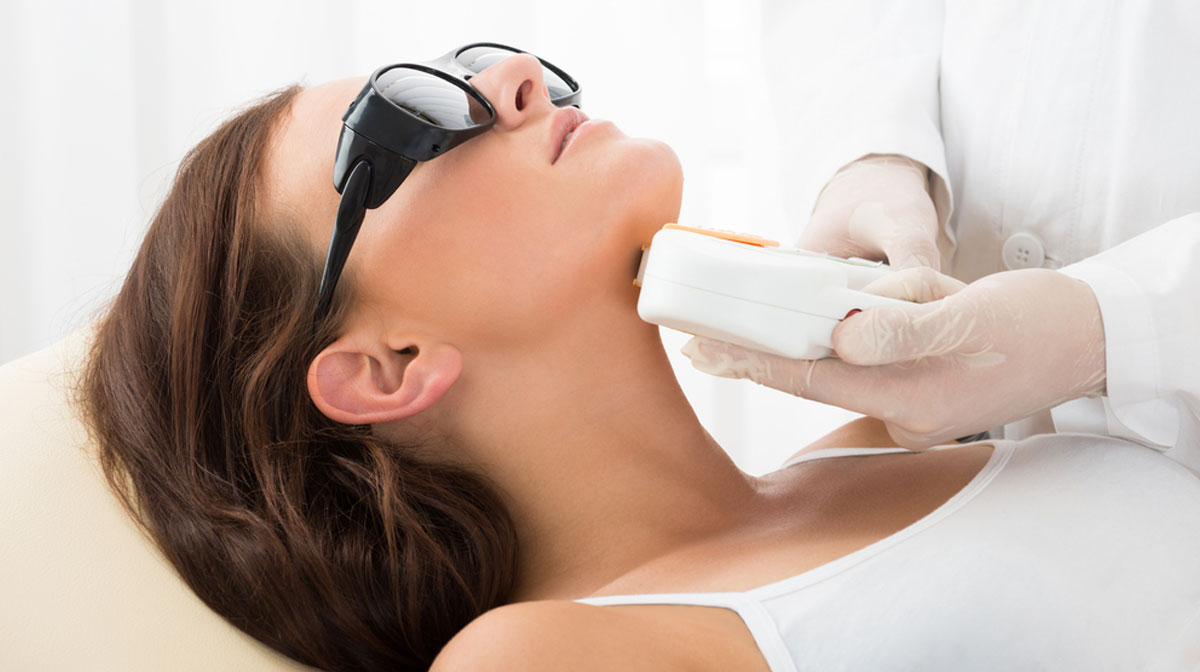
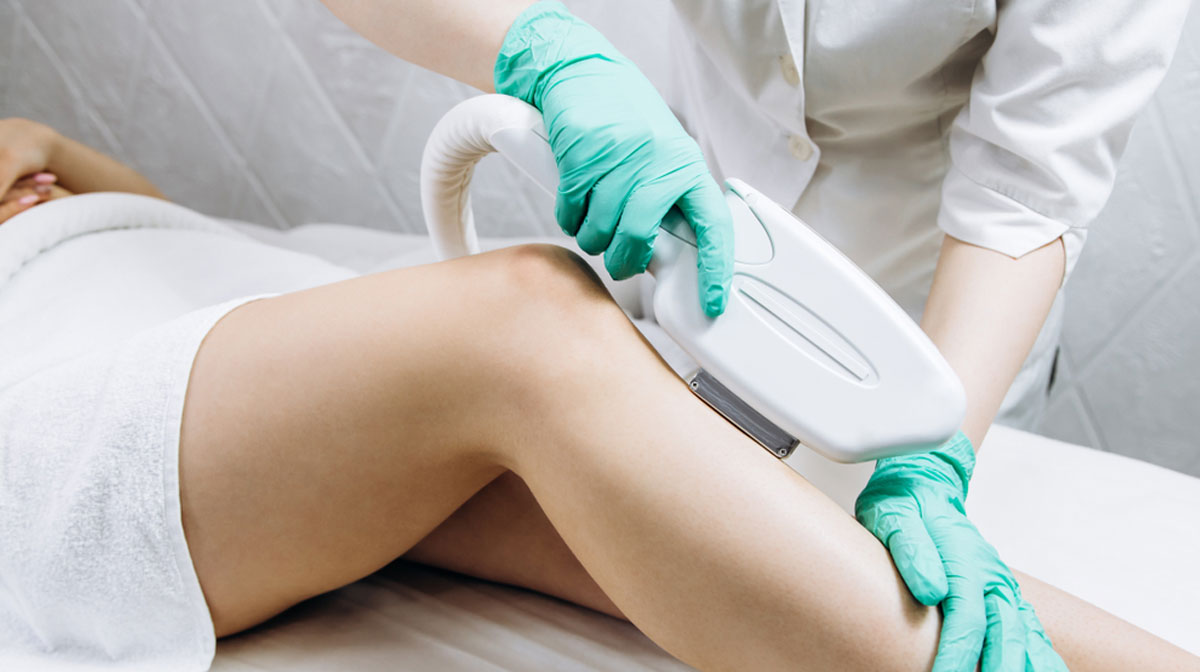
Laser hair removal uses controlled light energy to target pigment in the hair follicle. Because hair grows in cycles, treatment is planned as a course rather than a one-time procedure. The goal is reduction of bikini-line hair, shaving irritation and recurrent ingrown hair, not a guarantee that every hair will disappear permanently.
These are indicative one-session competitor benchmarks, not Mumbai Cosmetic Centre's quotation. Published ranges were converted to their midpoint and averaged. Limited-time offers, trial prices and package-only totals were excluded.
| Treatment area | Average competitor price | Published range reviewed |
|---|---|---|
| Bikini line/area | Approx. Rs. 4,900 per session | Rs. 3,975 - Rs. 8,000 per session (5 comparable listings) |
| Full bikini | Approx. Rs. 6,100 per session | Rs. 5,400 - Rs. 8,000 per session (2 comparable listings) |
Your final clinic price may differ based on exact coverage, hair density, skin and hair assessment, technology, practitioner, session count, taxes and package terms. Contact Mumbai Cosmetic Centre for its current quotation.
| Typical treatment course | Often 6-8 sessions, adjusted for hair density and response |
|---|---|
| Approximate session time | Commonly around 15-30 minutes depending on the agreed treatment boundary |
| Expected downtime | Usually minimal, although temporary redness, warmth or follicle swelling can occur. |
| Results | Hair commonly returns finer and less dense; maintenance may be needed, especially with hormonal hair growth. |
A consultation should review skin tone, recent tanning, hair colour and thickness, active irritation or infection, medicines that increase light sensitivity, previous reactions, and your treatment goals. A test patch may be advised before treating a larger or sensitive area.
Avoid waxing, threading, plucking and electrolysis before the course because the follicle needs to be present for treatment. Avoid tanning and sunless tanning products, use broad-spectrum SPF 30+ on exposed areas, and shave only as instructed by the clinic. After treatment, use gentle skincare, avoid picking or harsh exfoliation, and follow the clinic's guidance about sun, heat, exercise and the next session.
Mild redness or swelling can be temporary. Contact the clinic promptly if you develop blistering, increasing pain, marked swelling, crusting, or an unexpected change in skin colour.
Coverage varies. The bikini-line or extended-bikini boundary should be agreed clearly with the clinic before treatment.
Reducing repeated shaving or waxing and targeting the follicle may reduce ingrown hair for some people, although results vary.
Shaving is commonly allowed as instructed. Waxing, plucking and threading should generally be avoided.
Patient guidance reviewed from the American Academy of Dermatology, Mayo Clinic, and the FDA definition of long-term permanent hair reduction.
Consult our experienced medical doctors at Mumbai Cosmetic Centre, Malad West.

MBBS, MS, DNB
Introducing Dr. Shruti Shah, A Leading Cosmetic Gynaecologist having experties in all kinds of gynecological and obstetrics cases. She has overall 18 Years Experience in women's health.
She completed her MBBS from TN Medical College Nair Hospital & MS in Obstetrics and Gynaecology from JJ Hospital, Mumbai University. She further completed her DNB degree from New Delhi.

MBBS, MD
Introducing Dr. Chetan Shah, A Leading Anesthesiologist specializes in anesthesia and patient care before, during, and after surgery. He has over 15 years of experience in Anesthesiology
He has completed MBBS at TN Medical College, Mumbai University & MD in Anesthesiology at the prestigious GS Medical College and KEM Hospital, Mumbai.
Pain levels vary depending on individual pain thresholds and the type of laser used. Many modern laser machines incorporate cooling mechanisms to minimize discomfort during the procedure.
The duration of each session depends on the size of the area being treated. Bikini line treatments typically range from 15 minutes to an hour.
Usual side effects include redness, slight swelling, and temporary skin irritation. These usually go away within a few hours to a few days.
Most people require multiple sessions (usually 6-8) spaced 4-6 weeks apart to achieve significant hair reduction. Maintenance sessions may be needed periodically.
Laser hair removal can lead to long-term hair reduction, but it's not always permanent. Some hair may regrow over time, albeit finer and lighter than before.
Shaving is usually allowed between sessions, but other hair removal methods like waxing or plucking should be avoided as they can disrupt the hair growth cycle targeted by the laser.
Laser hair removal may not be a good option for pregnant women, individuals with certain medical conditions, or those with certain skin and hair types. A consultation with a qualified clinician can determine suitability.
Our doctor-led team ensures complete privacy, hygiene, and clinical excellence at Mumbai Cosmetic Centre, Malad West.
Chat With Our Team on WhatsApp +91 74001 88399Discover personalised dermatology, laser, and aesthetic care delivered by our doctor-led team in Malad West.
Specialised, doctor-supervised laser hair reduction sessions for men and women at Mumbai Cosmetic Centre.