Mumbai Cosmetic Centre provides underarm laser hair reduction in Malad, Mumbai, with skin assessment, individual settings and pre-care and aftercare guidance.
OPEN 12PM–7PM, EVERYDAY · PRIOR APPOINTMENT ONLY · 📍 MALAD WEST, MUMBAI — GET DIRECTIONS
Underarm Laser Hair Reduction Treatment in Mumbai is a highly effective solution for individuals who prefer to keep this area hair-free for aesthetic or hygienic reasons. Unlike traditional methods like shaving, waxing, or creams, which provide only temporary results and may cause discomfort or skin irritation, laser treatment offers a long-lasting and hassle-free alternative.
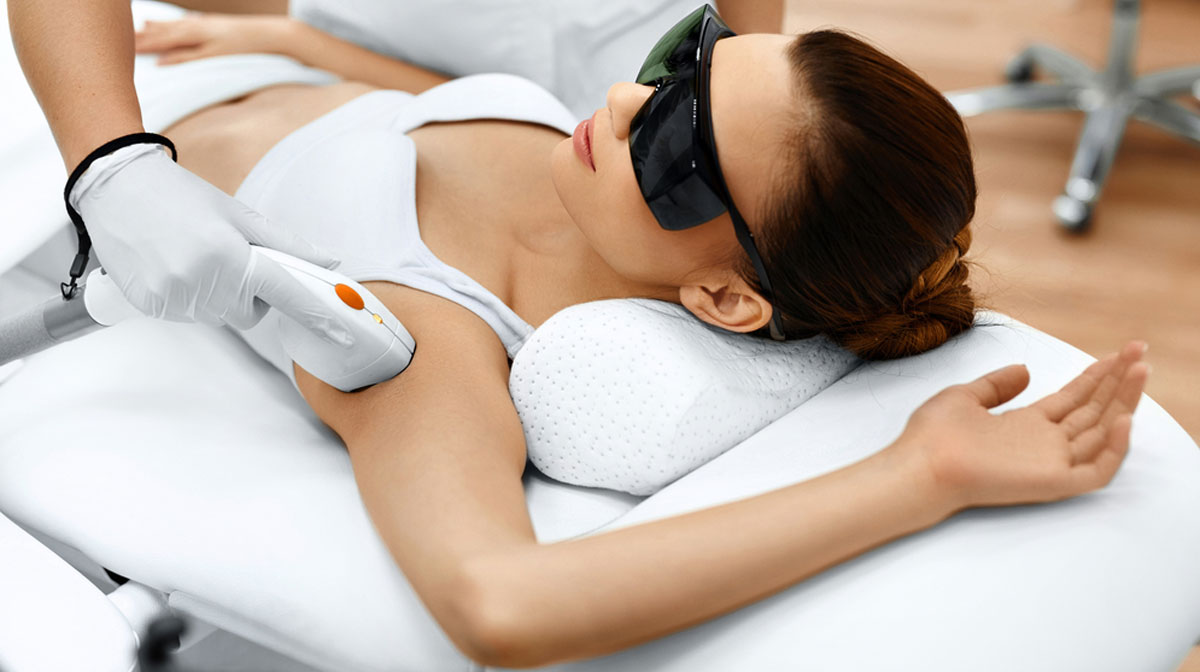
Laser hair removal targets pigment in underarm hair follicles to progressively reduce regrowth over a planned course. Results are best described as long-term hair reduction, and maintenance may be needed.
Unlike temporary hair removal methods, laser treatment offers long-lasting results. Many individuals experience a significant reduction in underarm hair growth after completing their sessions.
Laser technology targets specific areas with precision, making it perfect for smaller areas like the underarms. The process is relatively quick, especially compared to time-consuming alternatives like waxing.
Underarm laser hair removal reduces the risk of skin irritation, ingrown hairs, and razor burns commonly associated with shaving or waxing. This makes it a preferred choice for those with sensitive skin.
Once the desired results are achieved, maintenance sessions are typically spaced farther apart, offering convenience and freedom from frequent hair removal rituals.
Smooth underarms can boost self-confidence and enhance comfort, especially during activities like wearing sleeveless clothing or participating in sports.
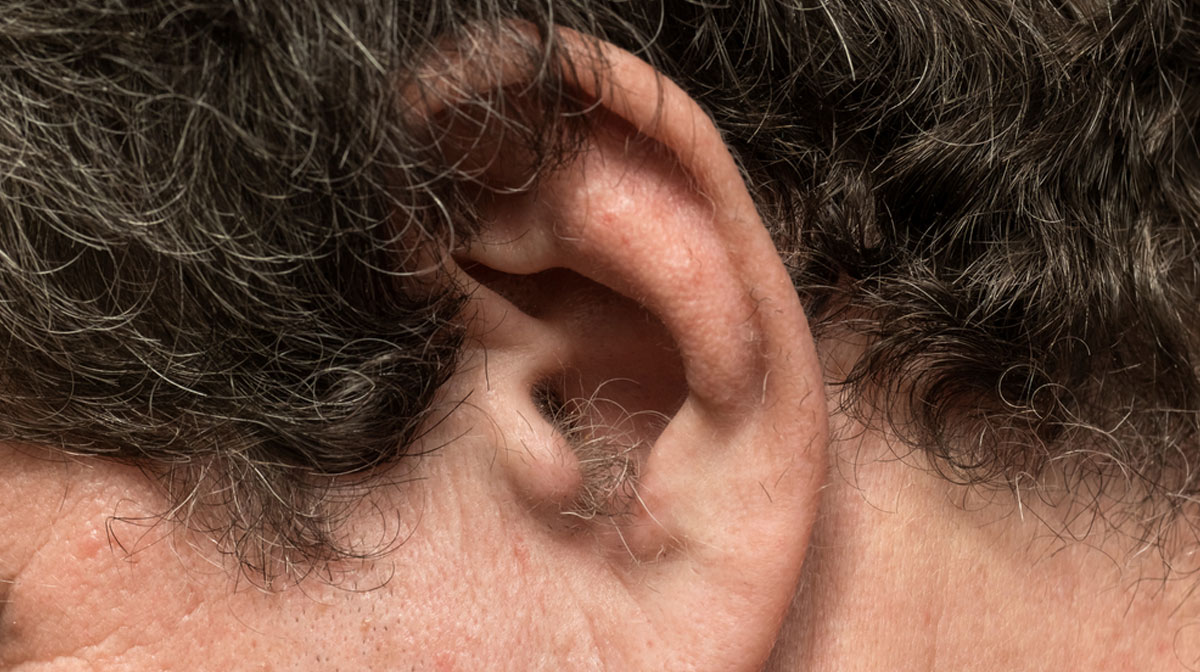
An ingrown hair develops when a cut or removed hair curves back into the skin instead of growing outward. It may cause a small raised bump, itching, tenderness or darker marks. The underarm area can be susceptible when shaving, waxing, sweat, deodorant residue, skin friction and close-fitting clothing repeatedly irritate the follicle.
Folliculitis means inflammation around a hair follicle. It can look like clusters of red, itchy or tender spots, sometimes with a white or pus-filled centre. Irritation, sweat, friction and hair-removal methods can contribute, but some cases involve bacterial, fungal or other infection and should not be self-diagnosed from appearance alone.
Repeated deep, painful underarm lumps, abscesses, drainage or scarring may have causes other than ordinary ingrown hair and should be medically assessed.
By progressively reducing suitable coarse hair, laser treatment may reduce repeated shaving or waxing and lower the chance of future hair growing back into the skin. It does not instantly clear an existing bump, replace treatment for folliculitis or guarantee that every future ingrown hair will stop.
Tell the clinician before the appointment if the area has painful or pus-filled bumps, open skin, drainage, increasing warmth, spreading redness or a suspected infection. The area must be assessed before laser treatment, and the session may need to be postponed until the infection or significant inflammation has been treated and the skin is suitable.
Seek timely medical advice for rapidly increasing pain or redness, fever, chills, feeling unwell, a deep painful lump, recurrent boils or symptoms that are widespread or do not settle. Do not squeeze, pick or attempt to drain a lesion before a laser appointment.
General guidance reviewed from the American Academy of Dermatology folliculitis overview, the Mayo Clinic folliculitis guidance, and the Cleveland Clinic review of ingrown hair.
Content updated: June 19, 2026. This guide is educational; suitability, settings and session timing require an in-person consultation.
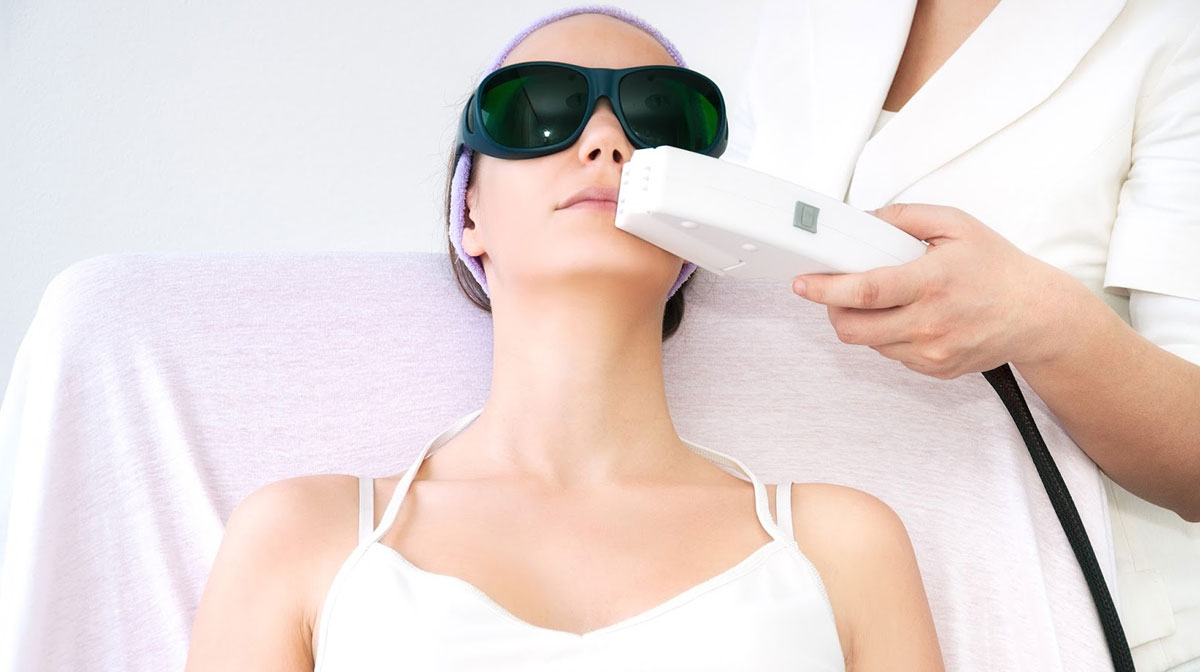
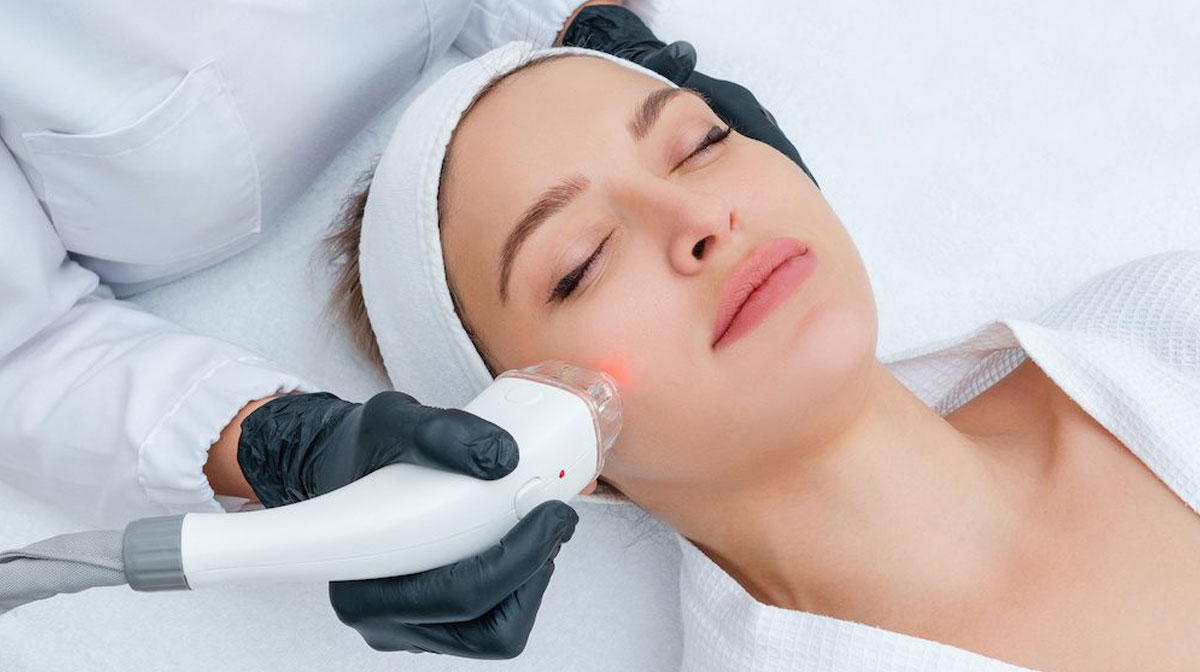
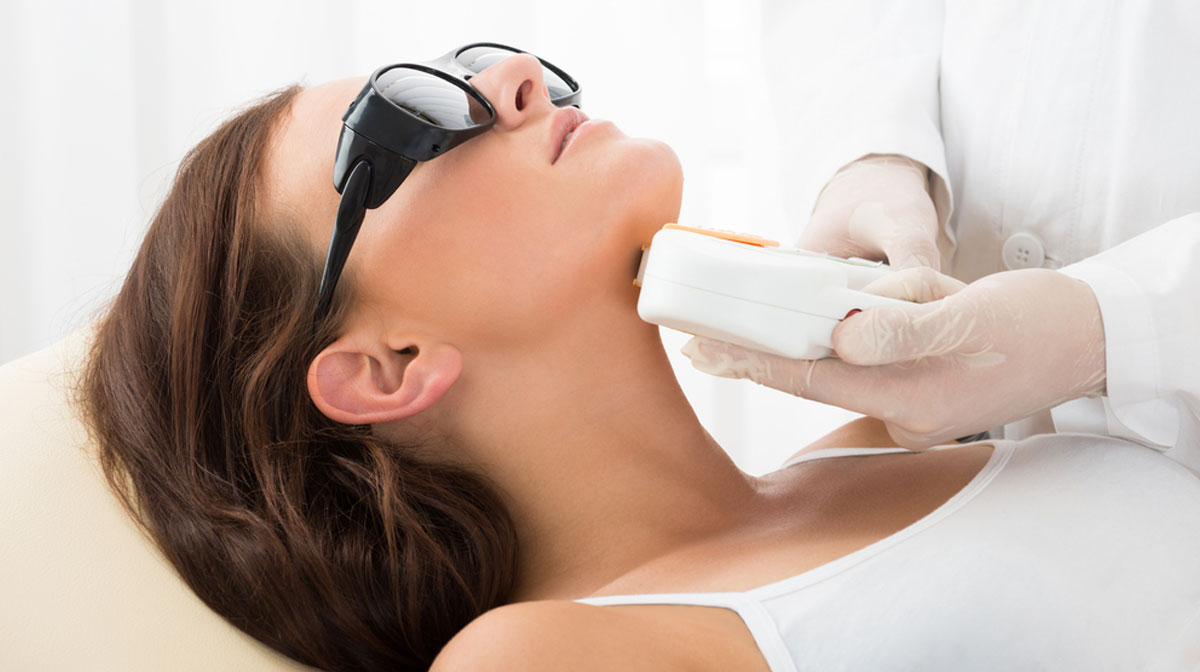
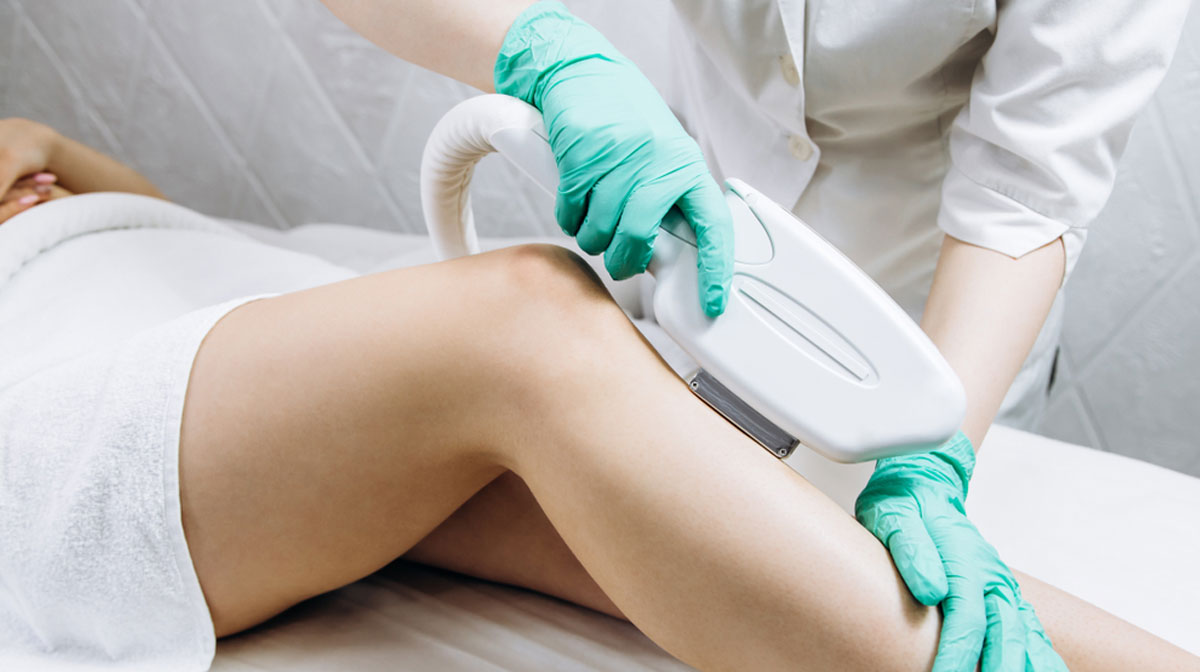
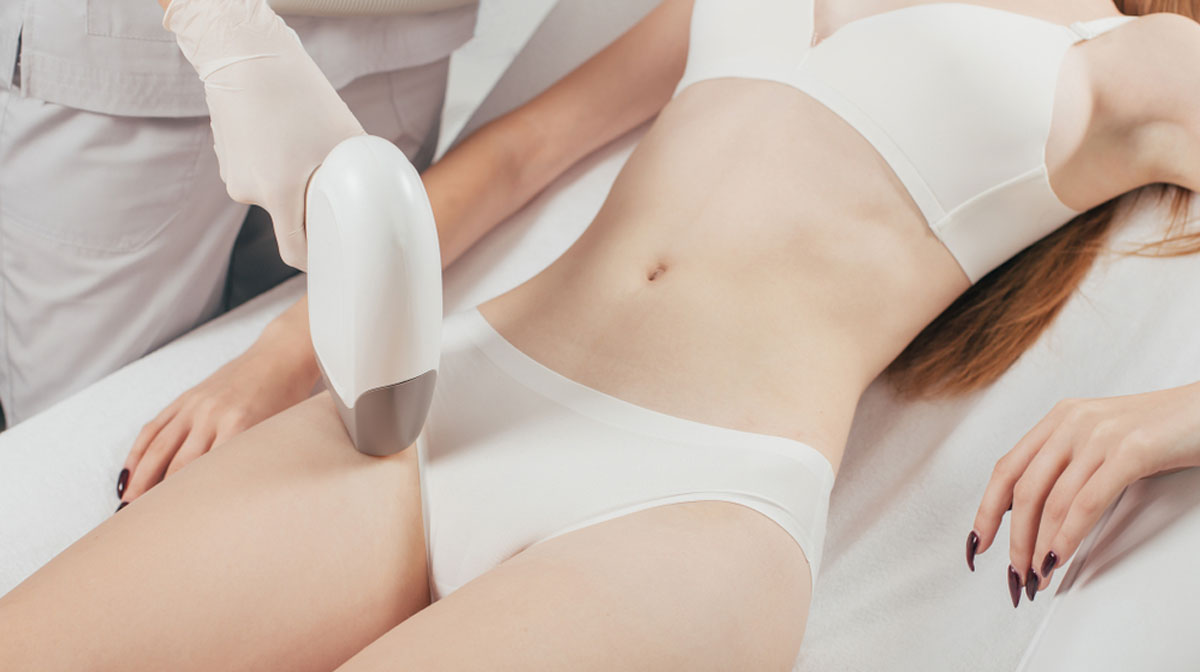
Laser hair removal uses controlled light energy to target pigment in the hair follicle. Because hair grows in cycles, treatment is planned as a course rather than a one-time procedure. The goal is reduction of coarse underarm hair, shaving frequency and shaving-related irritation, not a guarantee that every hair will disappear permanently.
These are indicative one-session competitor benchmarks, not Mumbai Cosmetic Centre's quotation. Published ranges were converted to their midpoint and averaged. Limited-time offers, trial prices and package-only totals were excluded.
| Treatment area | Average competitor price | Published range reviewed |
|---|---|---|
| Underarms | Approx. Rs. 2,900 per session | Rs. 1,875 - Rs. 5,000 per session (5 comparable listings) |
Your final clinic price may differ based on exact coverage, hair density, skin and hair assessment, technology, practitioner, session count, taxes and package terms. Contact Mumbai Cosmetic Centre for its current quotation.
| Typical treatment course | Often 6-8 sessions with timing adjusted to underarm hair growth |
|---|---|
| Approximate session time | Commonly around 10-20 minutes including preparation |
| Expected downtime | Usually minimal, although temporary redness, warmth or follicle swelling can occur. |
| Results | Hair commonly returns finer and less dense; maintenance may be needed, especially with hormonal hair growth. |
A consultation should review skin tone, recent tanning, hair colour and thickness, active irritation or infection, medicines that increase light sensitivity, previous reactions, and your treatment goals. A test patch may be advised before treating a larger or sensitive area.
Avoid waxing, threading, plucking and electrolysis before the course because the follicle needs to be present for treatment. Avoid tanning and sunless tanning products, use broad-spectrum SPF 30+ on exposed areas, and shave only as instructed by the clinic. After treatment, use gentle skincare, avoid picking or harsh exfoliation, and follow the clinic's guidance about sun, heat, exercise and the next session.
Mild redness or swelling can be temporary. Contact the clinic promptly if you develop blistering, increasing pain, marked swelling, crusting, or an unexpected change in skin colour.
Many plans use around 6 to 8 sessions, although hair density, growth cycle, skin tone and response determine the final number.
The area is generally treated clean and free of deodorant, perfume and fragranced products unless the clinic advises otherwise.
Downtime is usually minimal, but temporary redness, warmth or follicle swelling can occur. Follow the clinic aftercare instructions.
Patient guidance reviewed from the American Academy of Dermatology, Mayo Clinic, and the FDA definition of long-term permanent hair reduction.
Consult our experienced medical doctors at Mumbai Cosmetic Centre, Malad West.

MBBS, MS, DNB
Introducing Dr. Shruti Shah, A Leading Cosmetic Gynaecologist having experties in all kinds of gynecological and obstetrics cases. She has overall 18 Years Experience in women's health.
She completed her MBBS from TN Medical College Nair Hospital & MS in Obstetrics and Gynaecology from JJ Hospital, Mumbai University. She further completed her DNB degree from New Delhi.

MBBS, MD
Introducing Dr. Chetan Shah, A Leading Anesthesiologist specializes in anesthesia and patient care before, during, and after surgery. He has over 15 years of experience in Anesthesiology
He has completed MBBS at TN Medical College, Mumbai University & MD in Anesthesiology at the prestigious GS Medical College and KEM Hospital, Mumbai.
The sensation varies from person to person but is often described as a mild discomfort akin to snapping a rubber band against the skin. Most individuals tolerate the treatment well, especially with the use of cooling techniques.
On average, 6 to 8 sessions spread over 4 to 6 weeks are recommended for significant hair reduction.
Advances in laser technology have made hair removal safer for a wide range of skin tones. However, individuals with very dark skin or certain medical conditions may not be suitable candidates.
Common side effects are temporary redness, swelling, or slight discomfort in the treated area, which typically subside within a few hours to days.
While there are home-use laser devices available, professional treatments offer more precise results and safety assurances. DIY methods may not be as effective or suitable for all skin and hair types.
Most patients can get back on with their regular activities immediately after the session. However, it's essential to follow post-treatment care instructions to avoid potential complications.
Schedule your personalized consultation with our medical experts at Mumbai Cosmetic Centre, Malad West.
Chat With Our Team on WhatsApp +91 74001 88399Discover personalised dermatology, laser, and aesthetic care delivered by our doctor-led team in Malad West.
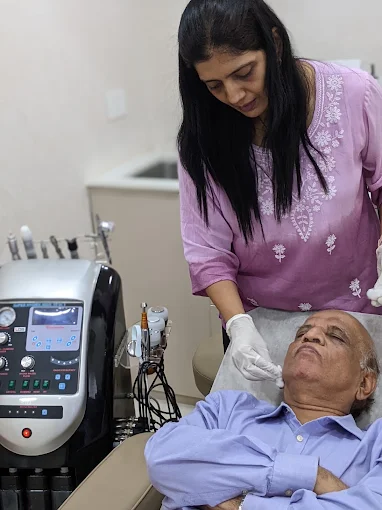
Specialised, doctor-supervised laser hair reduction sessions for men and women at Mumbai Cosmetic Centre.