
- Malad West, Mumbai
- +91 74001 88399
- mccmumbaicosmeticcentre@gmail.com
Laser Hair Removal vs Electrolysis
Laser Hair Removal vs Electrolysis: Which Is Better?
Laser hair removal and electrolysis can both reduce the need for shaving, waxing, threading or plucking, but they work differently. The better option depends on the treatment area, number of hairs, hair colour, skin tone, medical history, time available and the result you expect.
Laser is generally used to treat many suitable pigmented hairs over a wider area. Electrolysis treats one follicle at a time and can be useful for small areas or individual hairs that do not contain enough pigment for laser targeting.
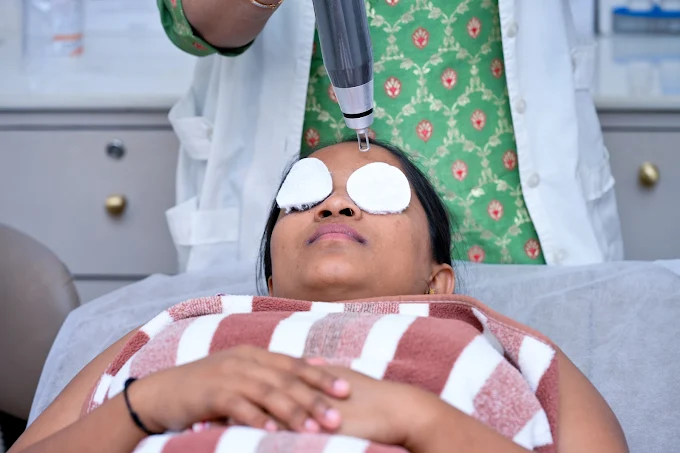
Laser treatment requires individual settings and appropriate eye protection
Quick Comparison
| Factor | Laser hair removal | Electrolysis |
|---|---|---|
| How it works | Light energy targets pigment in suitable hair follicles | A fine probe delivers electrical energy into one follicle at a time |
| Common use | Larger areas or groups of coarse, darker hairs | Small areas, isolated hairs or hairs with little pigment |
| Hair colour | Usually responds best when hair has enough dark pigment | Can treat blonde, red, grey and white hairs because it does not rely on hair pigment |
| Treatment speed | Multiple follicles can be targeted during each pulse | Each follicle is treated separately, making large areas time-consuming |
| Result wording | Long-term or permanent hair reduction; maintenance may be needed | Permanent hair removal is possible in successfully treated follicles, but repeated visits are needed |
How Laser Hair Removal Works
Laser devices deliver light that is absorbed by pigment in suitable hairs. The resulting heat damages the follicle and reduces future growth. Because only some hairs are in a responsive growth phase at one time, a course requires multiple sessions.
Laser can be efficient for areas such as the underarms, bikini line, arms, legs, chest or back. Facial and hormone-sensitive areas may need maintenance, and very fine hair requires cautious assessment. Settings must be selected for the person's skin tone, hair characteristics, recent tanning and treatment area.
How Electrolysis Works
During professional electrolysis, a fine probe is inserted into the natural opening of an individual hair follicle and electrical energy is applied to damage its growth tissue. The treated hair is then removed. Every follicle must be reached separately, and repeat visits are required because hairs grow in cycles.
Electrolysis does not depend on melanin, so it may be considered for white, grey, blonde or red hair that is unlikely to respond well to laser. It can also be useful for a limited number of remaining hairs after a laser course. Treating a dense back or full legs follicle by follicle would generally require much more appointment time.
Which Method Fits Different Hair and Treatment Areas?
| Situation | Option commonly considered | Why assessment still matters |
|---|---|---|
| Large area with coarse, dark hair | Laser hair removal | Skin tone, tanning and device settings affect safety and response |
| Small number of white or grey hairs | Electrolysis | Laser cannot reliably target hair with little or no pigment |
| Dense area followed by scattered regrowth | Laser first, then electrolysis may be discussed | The remaining hair colour, thickness and location guide the choice |
| Fine facial hair | Individual assessment before either method | Benefit may be limited, and broad laser treatment of fine facial hair requires caution |
| Hair affected by PCOS or another hormonal condition | Either method may manage visible suitable hair | Neither method treats the hormonal cause or prevents different follicles becoming active |
Sessions, Comfort and Recovery
Laser sessions: A small area may take minutes, while several large areas may take an hour or longer. Temporary redness, warmth or swelling around follicles can occur. Multiple sessions and possible maintenance are expected.
Electrolysis sessions: Appointment length depends on how many follicles can be treated. Temporary redness, tenderness or small crusts may occur. A small area can still require many visits because each follicle is treated individually and not all hairs are active together.
Comfort varies by person, area, method and settings. Avoid self-applying strong numbing creams over large areas unless a qualified medical professional has specifically advised how to use them.
Safety and When to Postpone Treatment
Choose a suitably trained professional who can explain the equipment, hygiene process, expected result and risks. Laser requires wavelength-appropriate eye protection. Electrolysis requires sterile, single-use or appropriately sterilised probes and careful skin preparation.
Active infection, open wounds, significant irritation, inflamed folliculitis or an unexplained skin lesion in the treatment area should be assessed before either procedure. Treatment may need to be postponed until the area is suitable. Tell the practitioner about medicines, previous scarring or pigment changes, recent tanning, pregnancy and relevant medical conditions.
Cost: Compare the Full Treatment Plan
Do not compare only one appointment price. Laser pricing is commonly based on the size and number of areas, while electrolysis may be priced by appointment duration. A meaningful comparison considers the expected number of visits, appointment time, maintenance, hair colour and how many follicles require treatment.
For a dense large area, laser may require fewer treatment hours. For a few light-coloured hairs, electrolysis may be more targeted than purchasing a laser package that cannot reliably affect those hairs. Ask for the exact treatment boundary and package terms in writing.
Can Laser and Electrolysis Be Combined?
A staged approach may be appropriate in selected cases: laser can first reduce a larger group of coarse pigmented hairs, and electrolysis can later target a smaller number of suitable remaining hairs, including grey or white hairs. The methods should not be performed on irritated skin or scheduled without allowing the area to recover as advised.
Mumbai Cosmetic Centre provides consultation-led laser hair removal in Mumbai. This comparison is educational and does not mean that every method is offered at the clinic. Confirm current service availability, candidacy and pricing directly before booking.
Frequently Asked Questions
Is laser hair removal or electrolysis more permanent?
Laser is best described as producing long-term or permanent hair reduction, and maintenance may be needed. Electrolysis can permanently remove successfully treated follicles, but each follicle must be treated individually over repeated visits.
Is electrolysis better for grey or white hair?
Electrolysis can treat hair without relying on pigment, so it may be considered for grey, white, blonde or red hairs that laser cannot reliably target.
Which method is better for large areas?
Laser is generally more practical for large areas containing many coarse, pigmented hairs because each pulse can affect multiple follicles. Electrolysis treats one follicle at a time.
Can laser hair removal and electrolysis be combined?
A staged plan may use laser for a larger group of suitable pigmented hairs and electrolysis for a smaller number of remaining hairs. The area should be assessed and allowed to recover between procedures.
Do laser or electrolysis treat hormonal hair growth?
Both methods can manage visible suitable hair, but neither treats PCOS, androgen excess or another hormonal cause. New follicles may become active and medical management may still be needed.
General guidance reviewed from the American Academy of Dermatology and the Cleveland Clinic reviews of laser hair removal and electrolysis.
Book a Laser Hair Removal Consultation in Malad
Call +91 74001 88399 or WhatsApp Mumbai Cosmetic Centre to discuss your treatment area, hair type and laser suitability.
Independent Healthcare Reference
For independent medical context on when laser therapy or electrolysis may be considered for unwanted hair, review the Mayo Clinic comparison context for laser therapy and electrolysis.










 Call Us
 Book
Book Google Review
 WhatsApp